
Resin Driveways in Widnes
A resin driveway can give a Widnes property a clean, decorative entrance with the appearance of natural aggregate and a continuous finish. JFL Driveways & Building can help you choose a suitable blend and plan the construction beneath it, from the existing base to the final edges.
We begin with how the space is used and where rainwater needs to go. If you are comparing several surfaces, start with our guide to driveways in Widnes. If resin is already your preferred option, request a quotation for your property.
Get A Free Quote
A Finish That Complements Your Frontage
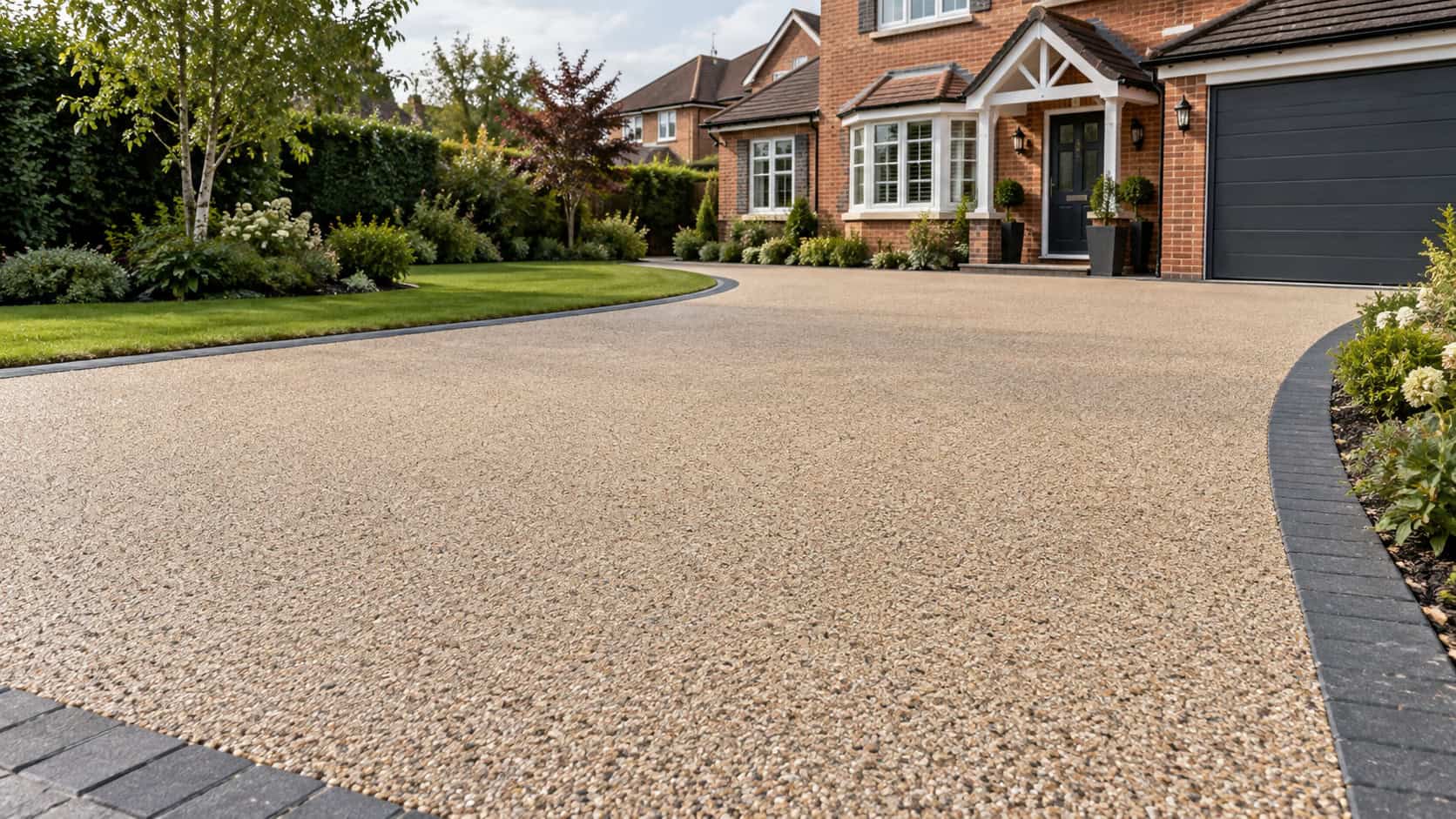
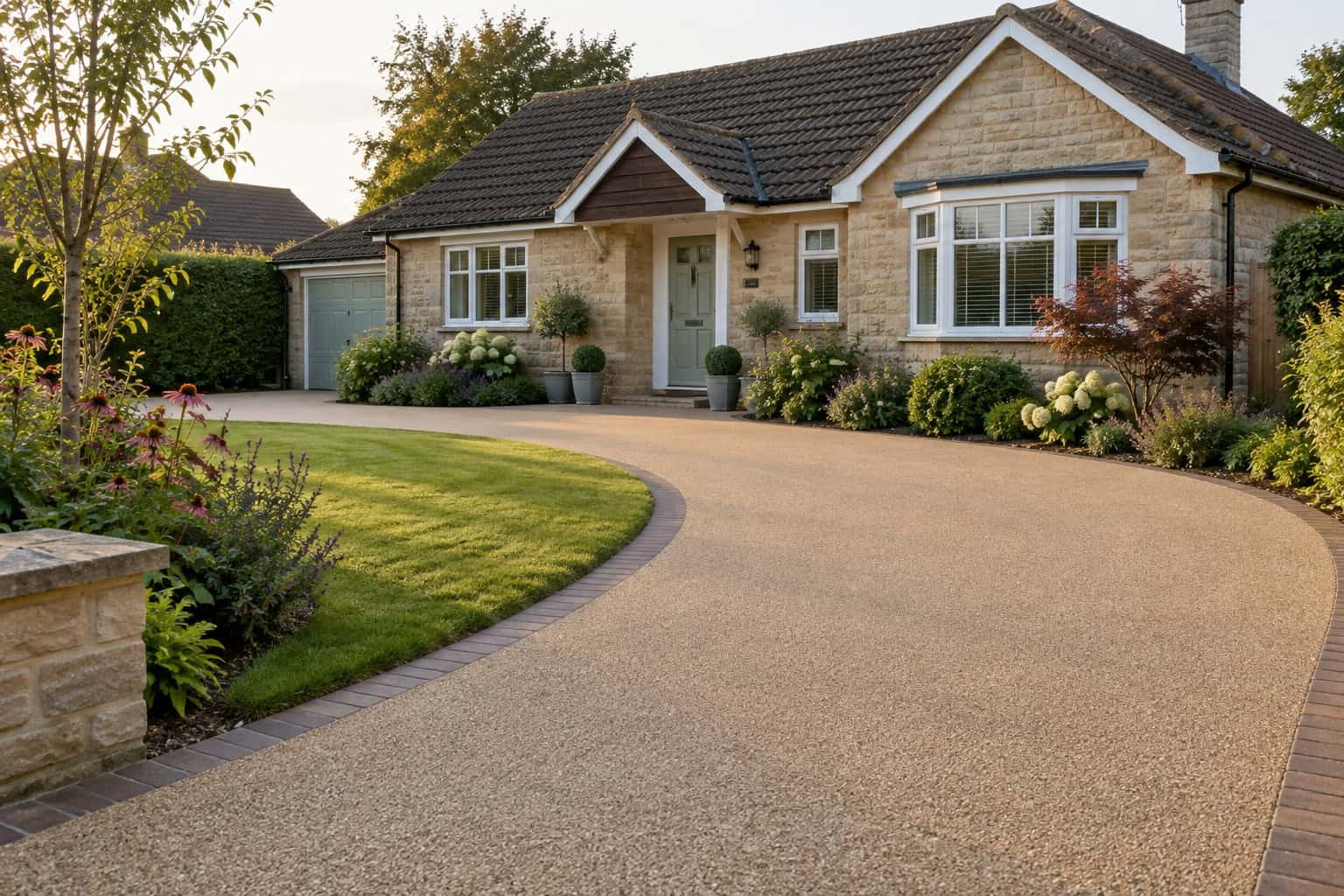
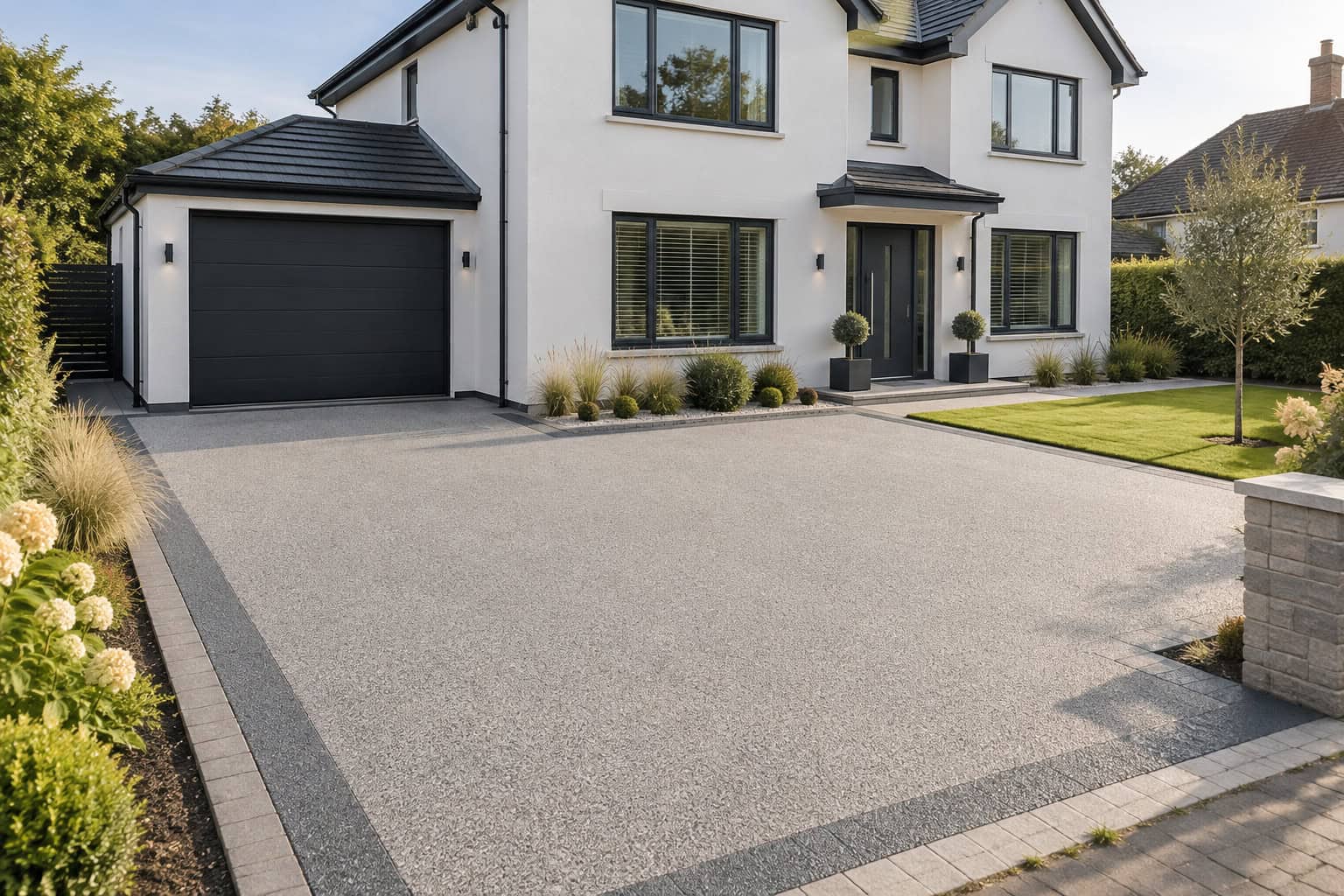
Resin-bound surfacing comes in a range of aggregate blends. A lighter mix can bring warmth to a shaded entrance; a darker one can create contrast with pale brickwork or render. The best choice depends on the house, adjoining paths and any planting that will remain.
Borders can define parking spaces and provide a neat transition to lawns, beds or paving. We consider the whole frontage so the driveway works from the pavement to the front door, including the space needed around parked vehicles. A decorative finish should still make everyday access straightforward.

The Base Matters as Much as the Resin
The condition of an existing drive determines the work required before a resin finish can be installed. A sound, suitable surface may offer different options from one with widespread cracks, movement or standing water. Covering a failing base with a new layer does not remove the failure beneath it.
During a survey, the proposed levels, access and ground condition can be assessed. The quotation should make clear whether an old surface will be removed and what base preparation is included. This is particularly important if you are comparing an overlay proposal with a full replacement.

Is a Resin Driveway Permeable?
A resin-bound surface can allow water to pass through its finish, but the complete installation must be designed appropriately. The layers below, the soil and the route for water all matter. A porous top coat over an unsuitable base should not be described as a complete permeable solution.
For front gardens in England, the Planning Portal explains the general surfacing rules. We discuss drainage when planning a resin driveway so that water does not simply collect at an entrance or run towards the house. Property-specific planning questions should be checked with the relevant authority.
Care After Installation
Regular sweeping helps prevent leaves, soil and debris building up on a resin-bound surface. Occasional cleaning may be needed where the drive is shaded or exposed to mud. Follow aftercare advice for the particular resin system rather than using an aggressive method without checking its suitability.
A resin driveway does not contain loose gravel in the way a conventional gravel drive does. If you prefer the character of a loose-stone surface and are comfortable with its different upkeep, consider our gravel driveways. For individual units and more pattern choices, see block paving.
Arrange a Resin Driveway Survey
Before work begins, we can also discuss practical details such as access for delivery vehicles, the position of manhole covers and how the new surface will meet existing paths or steps. These small decisions help create a neat, usable finish and reduce surprises during installation. We will explain the proposed sequence of work, expected timescales and any preparation needed so you can plan around the project with confidence.
JFL Driveways & Building can assess your frontage and discuss a finish suited to your Widnes home. Contact the team for a quotation that covers the proposed surface and the preparation it needs.
Resin Driveway FAQs
Resin-bound surfacing mixes aggregate with resin before the material is laid, creating a relatively smooth stone finish. A resin-bonded system applies resin to a base and broadcasts stone over it, creating a different texture and construction. Ask which system a quotation specifies; the two descriptions should not be treated as interchangeable.
Possibly, but only if the existing surface is sound and suitable for the proposed system. Cracking, movement, poor levels or drainage problems can make an overlay inappropriate. A site survey is needed before deciding whether the existing base can remain or should be replaced.
Yes, aggregate blends offer different tones and visual textures. It helps to view samples outside beside your property, as a blend can appear different in wet weather or changing light. Edging and nearby paving should be considered alongside the main colour.
It can be, provided the driveway is designed and constructed for its intended vehicle use. The area must allow comfortable parking and movement, and the base must be specified appropriately. The number of cars is one consideration alongside ground conditions, access and drainage.
No outdoor driveway can sensibly be promised as permanently weed-free. A continuous resin-bound finish has fewer open joints than ordinary block paving, but seeds can still settle in accumulated dirt, especially at edges. Sweeping and appropriate cleaning remain useful.
Both can give a continuous decorative appearance, but the materials and installation methods differ. Concrete imprint driveways use patterned concrete; resin-bound surfacing uses resin and aggregate. Ask about the look, drainage design, aftercare and approach to future repairs before choosing.